Showing posts with label competing. Show all posts

Wednesday, 26 February 2014

How I submitted my Blogger sitemap to Google Webmaster Tools

So I came across my account at Google Webmaster Tools and couldn't help but have a look through. To my surprise I hadn't submitted my blogger sitemaps to Google. I did so years ago for this colchambers blog so I already had a guide but I thought I would just have a quick check to see if things had changed and also because I had forgotten what I did in the first place. 

Atom

I found a good set of instructions in How To Submit Blogger Sitemap To Google Webmaster Tools? and followed them. 

The only problem is that this describes adding only an atom rss feed. For colchambers I have submitted both an Atom and an RSS 2.0 feed. I forget why but in fact it proved useful. The atom feed had two errors yet the RSS 2.0 feed had none. 

RSS 2.0

I see them as backups. If one feed has errors the other will work fine. The sitemap tools have facilities for hundreds of sitemaps implying that there is nothing wrong with adding multiples. So that is what I did. 

To add this additional site map I simply used what I tried adding /feeds/posts/default at first in the way suggested for the atom feed. This worked fine but only returned 25 responses. I expect google works fine with this because it's just returning the most recent items but since the Atom feed could return 500 I wanted 500 in this feed too. 


Result

This resulted in each sitemap submitting the same number of articles. Currently each sitemaps is shown as an atom feeding but they are still pending. I'll see if this changes when they are accepted. I compared with colchambers and the sitemaps there are categorised correctly. 

I hope this helps. Maybe you have a better way. I am not sure if the max results is required because colchambers seems to have been working fine with the standard feeds but then I haven't really researched and analysed this area thoroughly. 

At least I have now submitted my sitemaps to google. I can see if this has an impact in traffic or any other discernable impact. 


Monday, 17 February 2014

Is running a blog like running a shop?

I see a running a blog as like running a shop. There are those featured items on display and some in the window. These are what everyone sees and draws them in. The big ticket items and big sellers. Then there are the other items that get far less readers individually but as a whole make up a large part of sales. Making the shop more of a whole.

So the principle of running a shop matches that of running a blog. You can have a great shop but if people don't know you exist then you will fail.

This point of view then brings all aspects of business into play which can seem daunting at first but since there is so much help out there for running a business I like to think that makes it easier. It's also why I chose to simply get experience in work first before doing anything like my own business.

Working for others teaches you about success and failure while learning at your own pace and minimising the risks. That's the point of employment as I see it. You don't take all the risk so obviously you don't get all the reward but this means that you can either win or learn and be diligent until you find the idea that fits you.

I've been looking around for the business model behind blogging and found a few. Despite what many claim I don't see any as new, just adaptations for our age. Good writers sell copy through articles or books, graphics people sell images sometimes as books, people with either video or presentation skills sell videos. It's no different to the old world of hardback, comics and video except you get everything sooner.

I've been following conversations like Penelope’s Guide to Blogging which resonates because it's practical. Just blog, get out there and the business model will figure itself out. Deep down that's how I see it. I look back at what I've written in the past and I am proud of much of it. It's the kind of stuff I like reading. It's helped me connect with people I want to connect with. That's the start of a business.

So if my blog is like a shop, I need to understand my market then the right location etc, etc. First I need to understand how I'm helping people. That's what I've been exploring for years. Like everyone else I can see so many things I can do and ways I can help but what am I passionate about that others want and I do well?
I only buy products that fill my own need. That's the point. So it helps to understand my own humanity to see what to do with my blog.

I asked Ian Westermann of Essential tennis about success online. Ian is a successful blogger I have been following for years and I find particularly approachable. His advice was similar to Penelopes. Video has worked well for him. This seems to resonate with his market and skillset. He's a tennis coach. Most tennis instruction is visual because people respond best to it. Though he has tried all sorts of approaches over the years and basically worked very hard.

The point here then is that I prefer to see blogging as like any other business. You need to understand how you help people, who you help, how you help them best. Questions around how you help people with a specific aspect of your life underpin your blog just like how you attract people to your shop and get them to buy.

I also wonder if the better analogy is that a blog is like a shop window. It feels like promotion and marketing to me. I do it to connect and learn. I'm a software developer by trade. I can see all sorts of opportunities to produce products but I buy most things after reading around. So I visit lots of places to find out what I should buy. Often blogs are core to my research. Occasionally I will buy from a blog, sometimes I click an ad but I keep returning to blogs that I found useful.

Friday, 14 February 2014

Penelope’s Guide to Blogging

So I've started reading Penelope Trunks blog and I have to admit I'm quite fixated. The way she writes just draws me in and I want to share everything. You know how it is when something resonates with you. Of course I don't want to just share everything I read because that's not what blogging is about.

Today I'm sharing Penelope’s Guide to Blogging because it is typically straight to the point. I've been exploring various approaches the past few months and learning a lot and found much of it resonates with Penelopes advice.

I notice that she has created a bunch of posts on a topic and then made each post the title of each paragraph. That's the vision I have. Her focus on getting on with it speaks right to me. I believe you get good at what you do regularly and that's what I'm finding. When I look at older posts compared to now I see a marked difference.

Success will take time

I like her comment about lack of readers and that you won't make money directly because I feel it's true. Like anything there are the high flyers and the rest of us. The few make most of the money. Those are often the people who get the most readers. That takes time and effort. Just like any venture you rarely succeed early on. It's just nice to be reminded early on to give you better perspective on your results.

I also add things to my blog that I want to read. That's the main criteria I set. If I feel I really want a record of an article later on then I post about it.

I like having Multiple blogs

That is also why I break one of Penelopes guidelines. I have 3 blogs and I'm planning more. The reason is because my core passion covers so many topics from 3d virtual reality and programming to biology and sport. As one it just seems like a mish mash of ideas. Separately each blog has a focus I can build on. As I go I link them up but for now I feel it helps to have separate blogs for a clearer focus for each.

I big advantage is that I can try lots of different things out. I believe in achieving success through learning which means trying ideas out. I'll be moving to wordpress soon which is a big change. Having multiple blogs allows me to spread the risk. I'll move the least popular or challenging blog first. Make all the newbie mistakes and do a better job with each successive blog.

It's obviously a lot more work but then I got 5 A levels with this approach where most get 3. So I could aim for 50 points when everyone else could only get 30. They had a lower maximum point limit. I had to work harder but once I realised how each A level could help the other it all got quite easy.

So I've taken Penelopes basic list of points to give you a checklist, check out her article for the full detail, I found it a useful quick primer on a fun and practical way to approach blogging.

Advanced Topics:

Monday, 10 February 2014

what is affiliate marketing: Rise of the new economy

I'm on a discovery process to understand What is Affiliate Marketing?. Good introductions are important.

Michael Rich of Nam  commented on my post and shared a good introduction what is affiliate marketing: Rise of the new economy. So I checked it out and here are my thoughts.

Obviously they promote their own products. That's the name of the game. What they do well is give you examples of markets you can find existing affiliate offers so they help you see how this can be a practical solution that fits you.

It's quite a long post which can be good and bad. Good for those who really don't know anything about this topic. For me I know plenty about business. I'm learning the specifics of Affiliate Marketing and how to apply it.

I can see lots of opportunities but few fit the mission for my sites. Health and Fitness for example mainly sells supplements as pills and creams. That's the opposite of my beliefs. The point is to reduce the need for these things and understand the damage they can do.
My message is: fix your body through understanding it. Spend money and effort on gaining knowledge, not popping pills. I've yet to find something that supports this.
This intro is good. It's part of 10 more articles. I'm interested to see where they lead.

Thursday, 6 February 2014

Affiliate Marketing: Finding what products and brands fit?

I have 3 blogs I would like to use affiliate marketing with:
  • colchambers.co.uk exploring human performance and sharing what I learn including 3d worlds, software development
  • competitiveurge.co.uk competing: business, sports (particularly tennis), education
  • cellyoursole.com gaining health through activity and understanding your body better

The challenge is in finding the right affiliates and products to promote so I'm wondering what guidance you can give. I've had a quick browse and quickly felt I could do with a little support picking the right things

Competitive Urge

For the competitive urge I found fantasy sports this is from twist, I forget whether I found this through MoreNiche or elsewhere but right now I'm just trying to pick the relevant genres. Then I can find specific brands and products. I played fantasy sports before and enjoyed them so I can see the fit with CompetitiveUrge though I'm still looking for more ideas

Cell your sole and colchambers are trickier

Cell Your Sole

Cell your sole is in the health and lifestyle area but most money is made through pills and nutrients. The complete opposite of what my site is about. Apps that help you get healthy fit as do review sites or maybe health programmes. I wonder if you have any ideas. The key is about helping people get more active and help them see the benefits. Pedometers, personal trainers, fitting movement into your day. Stuff like that

Colchambers: Human Performance

Colchambers is my general stuff following my lifelong passion to understand my body and get the best out of it. Something I want to share with my family. A combination of cell your sole and competitive urge and also my day job as a programmer. I'm an entrepreneur and inventor. I'm currently exploring unity3d for designing 3d virtual worlds and just bought a macbook air to make development easier and as part of an entertainment solution. These might give you some ideas.

Taking my time

So, you may see why I will take a while to get the most out of affiliate advertising. If you can help please get in touch. I'm already using amazon affiliates and adsense so I have put some effort in but I like exploring options. I'd like to support products that fit my existing interests. If you can help me then I'll get there sooner.

Friday, 24 January 2014

What is snappytv?

During the Australian Open I saw a replay of tv coverage on twitter. Shared only a few minutes after broadcast on tv. I couldn't believe it.


The tech used was snappytv so I had a quick check.

How is it done, How does it work


Where to use it

That's the key question. I assume you need to be streaming live tv. I haven't used this yet to I don't know if it works on all streams etc. I'm now thinking of uses mainly because I feel there are things I want to do that this will facilitate. 

What springs to mind is player characteristics during matches. Where they stand to return or rally and position at net. That kind of stuff. 

The shortness of the posts attracts me because I like tools that help you get to the core of the matter. 

Rights

Of course this means I need to learn a little about the rights issues involved in this type of work. 

Overall

An exciting idea. The first use I have seen of it really impressed me. :Lets see if I start using it though. 

Tuesday, 21 January 2014

Frozen is nominated for multiple Oscars

Yay. Very excited to hear that Frozen was nominated for a bunch of oscars including
  • IDINA MENZEL: Singer, Best Original Song, “Let It Go”
  • JENNIFER LEE & CHRIS BUCK: Co-Directors, Best Animated Feature, Frozen 
  • BOBBY LOPEZ & KRISTEN ANDERSON-LOPEZ: Composers, Best Original Song, “Let It Go”
I didn't realise it was getting quite that kind of attention but it's really nice to see. I love the film and so did our toddler so it's nice to hear it getting the success I think it deserves.

Wednesday, 18 December 2013

What made the Wright brothers successful


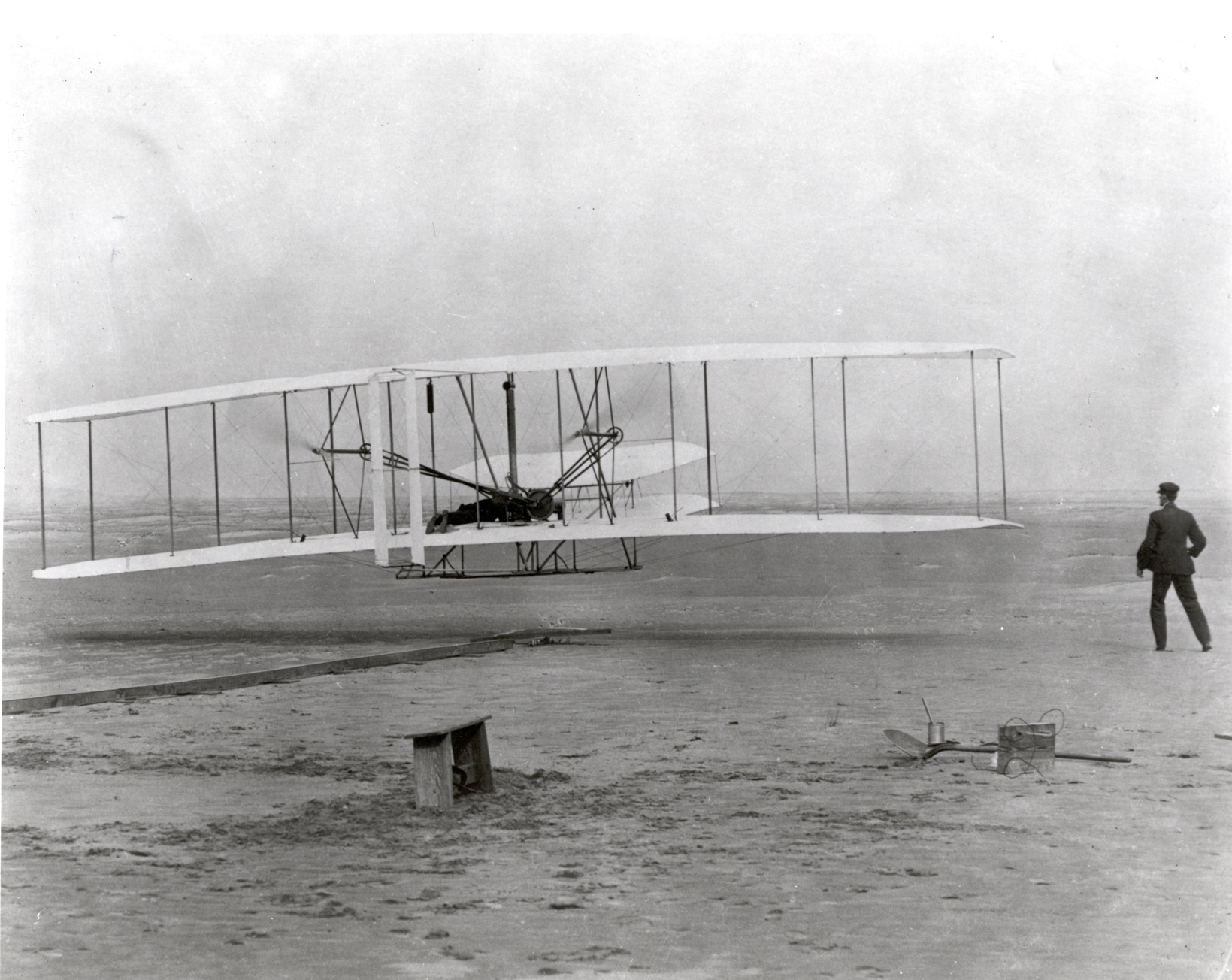
I needed a little inspiration in the challenges of being an entrepreneur and inventor. I just checked out the Wright Brothers because at the time they pioneered human flight there were hundreds of others trying to do just the same. I wanted to understand how long it took them. What kinds of things they did. How much detail they went into and what they focused on.

What I already knew is that many incredibly wealthy and well connected entrepreneurs were also trying but didn't get the results. I wanted to understand why. Was it a fluke or was it down to process. Were the Wright Brothers better inventors, or was their relative lack of resource beneficial to them in some way. It would be a nice story it if it were.

What I learned so far was that they did the basic thing good engineers do. Tested, prototyped, gather thorough data. They also didn't do everything themselves and it was their choices and way of thinking that led to success.

Many others were building stronger engines and propellers. The Wright Brothers focussed on controls. What I feel that means is that others focused on quantity e.g. power and lift while the Wright brothers focused on quality or controlling the power. This explains why their first official flying craft didn't actually do much. It only went a meter or so in the air and sustained that for a short distance.

They didn't care about height or speed at first. Just in level controlled flight. They conducted many glider tests before hand and developed their mechanical skills so they could develop what they needed. Along the way they built a business making bicycles because it helped them pursue their love of flying.

Essentially I feel it is their holistic approach to invention. Seeing that others could deliver the required power but they couldn't control it. The limitation was therefore control not power and that's what they perfected.

They also investigated how birds fly. Learning how they adjusted their wings to tilt their bodies and turn. Many engineers believed a plane should stay level and used the principles of a train on a track. In the end we have learnt that the best solution is a mix between a bird and a large fish like a dolphin. The wings may be inherently unstable but less susceptible to upset by gusty cross winds. Tilting the plane to aid vertical and horizontal movement uses the plane itself to aid the process. Providing a much greater force with relatively little effort. Leaving the control planes in the tail for finer control they don't have to focus on providing lift itself. Instead, they just control where the nose of the plane points.

This is very similar to a formula one car. just the reverse idea. In a Formula One car the wheels control power and direction. The rear wheels are only concerned with power. The front are only concerned with control. All wheel drive is best for rallies and dirt tracks not racing on tarmac where the separation of control and power is key.

So it is essentially a similar principle. The Wright brothers used gliding to teach them about control and leaving motor driven flight until later. They followed others attempts that used more power and different styles of craft but stuck to their original idea that the pilot must be in full control before power be added.. Everything must be designed around this concept.

They also believed that the basic wings and engines required already existed. They learnt to fly unpowered craft first. Others just put engines and untried controls together and tried them out without learning to fly unpowered first. They often crashed.

The brothers experience with bicycles also benefited them because they knew from experience that leaning to help steer and control a bike is the most natural thing. With open minds like this they could see how common this approach was in the natural world.

Overall this process reminds me of Darwin. He felt that much of the knowledge was already there. He did many tests himself and compiled many statistics but clearly built his ideas on the foundation of others work. He felt there needed to be a complete story but the essential ingredients were already in place.

Throughout the analysis of the Wright Brothers work it is clear how much they learned from others. Putting it together and seeing the whole was most important. They don't claim to have many original ideas except how they put the overall control surfaces together.

Essentially they built a powered glider. Thus building on decades of proven knowledge ensuring that if the engine failed the pilot could still land safely assuming he knew how to glide. It also ensured that any one who knew how to glide could learn how to control a powered glider. The simplicity is a big part of their success.

It was fascinating to learn so much. The workflow sounds so similar to other entrepreneurs that have had success. I'm thinking of Apple among many others. Good to know.

Tuesday, 17 December 2013

Born after 1960? Then you're probably poorer than your parents


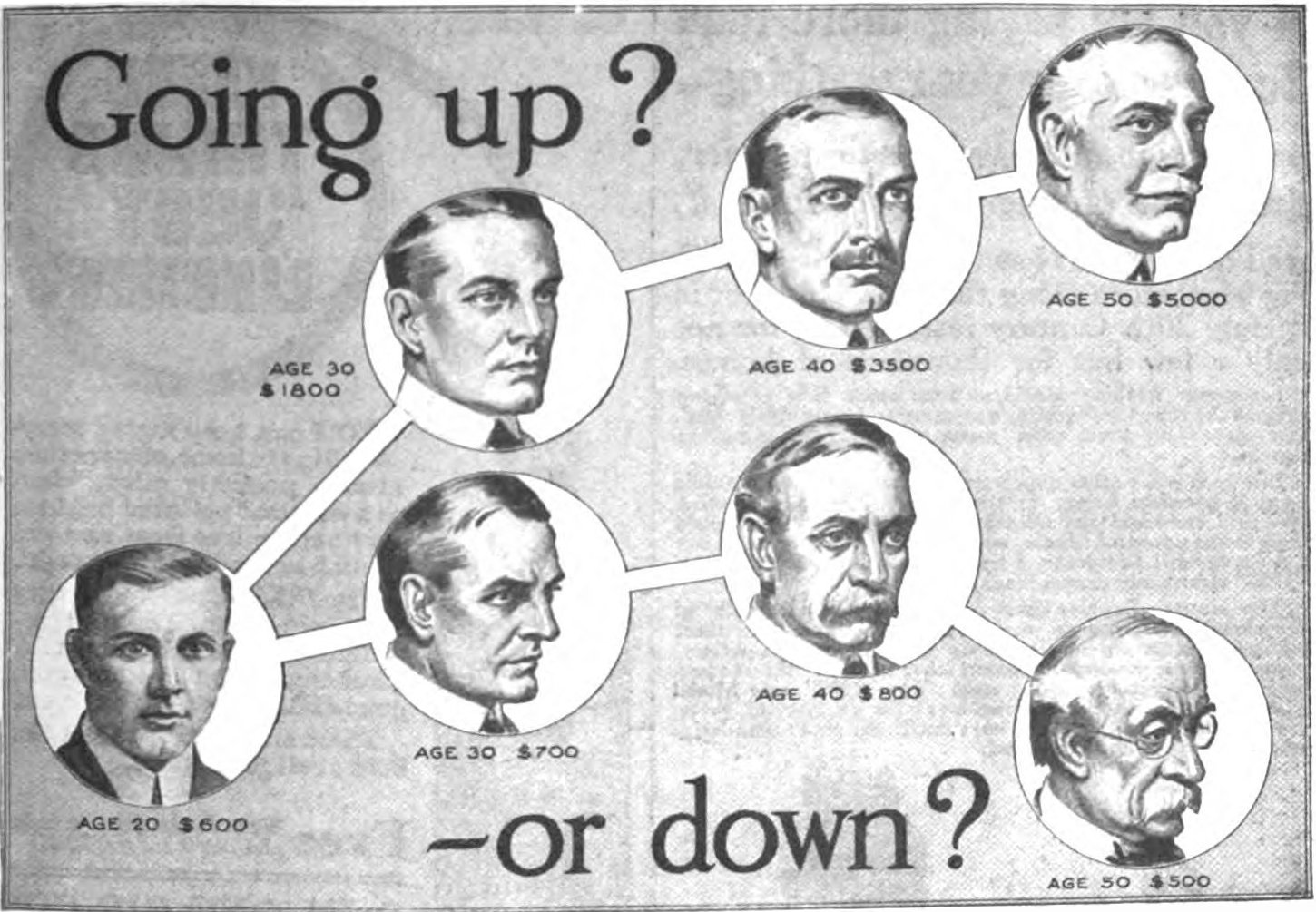
The guardian reported that if you Born after 1960? Then you're probably poorer than your parents. It's certainly something I'm noticing so I felt the need to keep this for future reference. I feel that over the decades we are feeling the natural effects of falling from the heights of the late 19th and early 20th Century when the UK was a dominant power fueling the industrial revolution and leading in industry.

While we are still important we are slowly reaping the benefits and problems of such amazing consistent growth over multiple generations. The inevitable slowdown. Whether the gap between rich and poor will forever widen in the UK I can't say but I do feel that our position both physically and then culturally in between the US and Europe and our history as a sea faring nation of travellers. I feel we are basically pulled in all directions moving too and fro. This can bring big benefits but also big problems.

The article simple explains the the problems of today are simply the natural occurence of what has been happening over the years. I think it's got lot to do with how easy it is to accrue debt. I don't know all the reasons. I think it's partly because the country was relatively wealthy yet the culture encouraged saving. Credit wasn't easy to get so debts had to be paid upfront and few expected inheritances to pay for things.

These days the culture is based on debt. It's expected and the only option available when doing things you're supposed to do like go to university or get a house. Everyone does it and you feel a bit stupid if you don't. Of course those with better off parents don't feel the full brunt when there are bumps along the road to servicing their debt.

It is what I am seeing in life. So I found it a timely article.

Thursday, 26 September 2013

Brain Facts 09: Aging

Just listening to episode 9 of the Brain facts podcast. It is like going back to my psychology A level. Something I really enjoyed. The beauty is simply in understanding the body as a whole. So many know a lot about the body but little about the mind. This is the same as knowing all about a computer but not the operating system it runs or a car but not the fuel and engine it uses. The knowledge is incomplete.

This particular topic on aging reminds us that the brain is there to be used as we age just as when we are young. There is no evidence that any decline is inevitable it is just that that is what normally happens. So all you really have to do is choose to use your brain as much when you age as when you are young. In fact, as far as I can learn from my seniors it is the experience you possess when you are older that enables you to out compete the younger fitter individuals. My plan is to keep my fitness while gaining the experience so I can have the best of both worlds when I am older.

Listening to this review reminds me of what I learnt so long ago. That is a completely achievable dream.

Monday, 25 July 2011

Hypertension, sodium and activity. Any relation?

So, something just struck me. No... nothing physically hit me :-) I just heard something about blood pressure that linked a bunch of information into one. I'm not sure if this is a new insight so I'm logging it here for future reference.

The first thing was reading that increased potassium in the diet is associated with a lowering in blood pressure. I've probably heard this many time before but not really thought about it. What struck me is the link between potassium and sodium. They are fundamentally involved in propagating nerve impulses. So it struck me that an imbalance in sodium and potassium could have an effect on nervous action throughout the body.

Combine that with marc peletiers insight that High blood pressure is fundamentally a problem with regulation of sodium. He has found structures in the brain that filter sodium much like the kidney does. It's these structures that have a huge impact in high blood pressure.

It's becoming clearer over time that diabetes in a problem with regulating blood sugar and that exercise helps by helping us deal better with sugar. So naturally I'm wondering if exercise has the same effect on helping us regulate sodium and potassium better. Mainly because exercise puts specific pressures on the body. forcing adaptations which make it able to handle the strains applied by daily life. Hence exercise forces the body to keep sugar and possibly sodium levels in check.

Just a thought.

Tuesday, 5 April 2011

A vision for 21st century learning

So I had a vision over Christmas of the kind of learning and teaching I've always wanted. As I wrote it down I became more and more convinced that this is possible right now. It also pulls together my passion for understanding human excellence with my experience in taking ideas to deliverables. It's still very much a work in progress but I'm really excited by it and everyone I've shared it with feels the same. 


It's not about revolution but evolution. My main view is that very little these days is new. The internet isn't enabling much that's new just a new scale, speed and quality of what existed before. Good learning and teaching is the same now as it was 1,000 years ago. What made Plato and Aristotle great will be similar to what made Einstein great. 


What's changed is what one human can achieve in one day with a small budget. The same goes for one team or one organisation. We can just do a lot more with a lot less. So we now get to revisit what good learning and teaching is and figure out what we would do if we could build on the great work that's already being done but with all these great new opportunities and tools that didn't exist before. 


My vision for learning in the 21st century is built by merging best learning practices with the methods of achieving scale in this era and partnerships with leading providers of the components that will be needed.

I learned to thrive due to a world class educational system. I want to bring this to the world and evolve it to fit todays capabilities and expectations.

Part of this involves each student understanding their potential through experience of a virtual body. The human being, particularly their mind, far exceeds the capabilities of any technology yet invented. I want a system designed around it. To make winners of anyone in the world who takes the time to develop their abilities. The knowledge and skills to do this already exist and we're perfectly placed to make use of it.

I've broken this down further into components. Each component is already in existence and will mainly require reuse of current skillsets, personnel and assets.

So now I'm spending time developing these ideas further. What I've found so far is that much of what I'm looking for already exists but the components have never been put together in this way before. I've also found  I'm not alone.  There are many efforts to improve education from a peer to peer university where you can suggest the currciulum or even opt to teach a class to an open high school finding ways to deliver “one-on-one tutoring for every student in every subject".

So there you go. I'm clarifying my vision for 21st century learning. Through this I'm finding that I'm not alone. In fact I keep finding more people with a similar vision that are already implementing it. I don't care who delivers it. I just want it for my children and for everyone who thrives on learning.

Wednesday, 9 February 2011

Things you can do better asleep than you can awake

following on with the theme that sleep is far more important than many of us realise. Here's an analysis of things we can do better asleep than when we're awake.

Essentially there seem to be three main areas that we do better asleep:
  1. Forming accurate memories
  2. Heal from infection
  3. Deal with stress
Lets summarise each area:

Forming accurate memories

Most neuroscientists agree that sleep is when we organize memories for long-term storage. People whose sleep is disturbed after studying have far more imperfect recall than people who get a good eight hours of shuteye. But a study published a couple of weeks ago shows that you can use simple memory reinforcement techniques while you're sleeping that will make your recall better than average.

Heal from infection

We don't just need sleep to improve our minds - we need it to heal our bodies. Physiologist Marc Opp argues that it's possible that sleep is part of our immune system, and that we may have evolved sleep alongside our other bodily defenses against infection. In fact, our ability to dream appears to be connected at a molecular level to our healing abilities. When researchers reduce the levels of proteins used in healing wounds and fighting infection, it also reduces REM sleep. Raising the levels of those same proteins causes people to dream more. So when you go to bed with a cold and wake up feeling better after a night of weird dreams - well, there's a good reason for that.


Deal with stress

Dreaming also appears to be one of the main ways we maintain emotional equilibrium. Sleeping appears to organize our emotions in the same way it organizes and solidifies memories. Researchers report that sleep helps people recognize other people's emotional states, maintain calm in the face of difficult situations, and even develop feelings of trust more easily.

Tuesday, 8 February 2011

Can amazing abilities be taught?

I've been talking for a while how everything we see other people achieving we could actually achieve ourselves. We just need to learn to bring it out of us.

A couple of weeks ago I ate at a restaurant and the waitress showed exactly what I'm talking about. There were four of us and we had a lot to order. She didn't write anything on a notepad though. She just remembered it. We all thought she was just showing off and it would all go horribly wrong.

Sure enough by the end of the meal she'd remembered all drinks, all 3 courses for each person, all the minor adjustments to the meals and the side orders. The only thing a machine did for her is add up the bill.

We were really impressed and debated whether she just has this really cool memory or if she learnt how to do it.
So I had to ask. As I thought, the answer was that she'd trained herself to do it. There are many techniques you can use that help you remember things by helping organise your brain but you have to work at them like anything else. That's what she did. She used her job to train her brain. From what I could see it meant she found the job easier than other people because she was more self sufficient.

Just like derren brown and others. Who perform amazing feats both physical and mental. They all admit that they've trained themselves to do these things. Some say that makes it less interesting. For me it's the opposite. To feel that I could do what they do is so inspiring.

That's what I want to bring to education. Help connect people with these amazing feats. Give them the belief and the support to achieve them themselves. See that learning is the key to amazing things.

Monday, 7 February 2011

Neural Darwinism: is this how we learn?

I'm excited to have just discovered Neural Darwinism through an interview with Gerald Edelman on all in the mind.

The idea that our brain constantly adapts to our environment using the same evolutionary principles described by Darwin is what I've been coming to believe. It's clear that we create and remove connections every day during sleep and that our brains are constantly evolving from the events of the day.

It's nice to hear I'm not alone in my view and that there is a theory to go along with it.

Friday, 4 February 2011

The only true disability is a crushed spirit

Watching Aimee Mullims ted talk title "The opportunity of adversity" is just fascinating. She makes such a beautiful case for the strengths and values people gain from disability it becomes very clear that the adversity that may entail generally adds far more to us than it takes away.

Saturday, 30 October 2010

My first tennis matchplay


So I played my first matchplay today down at Sutton tennis academy. Thought I'd record it here for reference later.

I'd been playing badly all week so I wasn't very confident going in. My shots lacked rhythmn and my serve was a nightmare. I kept double faulting. The week before I had been playing so well and I was really confused. On Friday realised I'd been tossing the ball really low. Tossing a little higher and I instantly served better.

As for my shots I'd been really patient and aiming at the hit zones of the guys I'd been playing. Allowing them to play good shots against me and forcing me to work on my footwork. Last week I stopped that. I started to try to win points outright, so the rallies we shorter, neither of us got a rhythm and we play badly.

So I was a little nervous going in. Getting a rhythmn on my shots is one thing but if I'm doubling faulting atleast once each service game then it's really hard to win a set. You're bound to lose atleast one service game this way and that can be enough to lose the set.
It was also a long drive down. I guessed it would take about 2 hours but given the road works that are on basically the whole route and the fact that it was the first time driving there it ended up being about 3 hours. So my bum was a little sore by the time I arrived, thankfully about 45 minutes early since I'd left about 11:40.

Normally I wouldn't mention this but it's worth remembering for next time cos I'm not used to playing a match after such a long drive. And I need to figure out the best way to handle it. Having a few warm up games might help but I didn't want to tire myself out.

When the match started I was a little nervous. I could feel my heart racing and was a little tense. Thankfully I managed to get my second serves in and my opponent didn't take too much advantage. I managed to win the first service game so got off on a good footing. I won the first set mainly because I kept my focus. I got very few first serves in. I couldn't find a rhythmn on it at all but my second serve was fine. I think I made just 2-3 double faults. I was broken once or twice but then broke my opponent several times. Kind of normal for the 9.2 level I'm playing.

My opponent was basically a pusher. He had no big shots to hurt me with but he was VERY consistent. I found that if I got into a long rally and didn’t attack him then he’d win out. But I generally won when he came to then net, I love a target. I also found he wasn’t that great on the move but I didn’t really exploit this enough. I kind of settled into baseline rallies a little too much. I found that whilst he never put any shot back very hard he often dropped them quite short or very high but generally with little pace. This is actually hard to attack. Atleast I find it hard. In the first set I think I was more patient. I didn’t try to win the point directly. I moved him around and quite often found a winning shot or made him miss  

The funny thin is that while I won the first set, neither of us could find a first serve. The second set was different because we both started finding our first serve. Me more than him. The problem was that it then gave him a consistent shot to hit and he started returning well. I often find this problem when I hit my serving stride. A serve with pace can easily get returned with pace. Many of my serves weren’t return and I even got an ace. He left me so much space on his right side I couldn’t miss.

I remember when starting the second set feeling really happy to have won the first. I felt I could relax and play my game more. Go for my shots. Bad move. Other competitions I’ve played only do 2 sets. So you either win or draw. I’d forgotten this competition plays a championship tie break so I still needed to win the second set.

I was starting to get a feel for the court, player and ball. Each were different than I’m used to. Indoors I find spin has more of an effect that outside. The balls seemed to bounce differently, but that’s probably cos they were fresh out of the tin and not 500 years old and bald . I also don’t play anyone like this guy so I was certainly winging it.

So I started swinging more freely. Against a pusher this isn’t the best move. In hindsight I should have started moving my feet better. Reason being that I was often slightly out of position when I played my shots. It was a small amount but it matters when you hit hard. It magnifies any mistake and throws your technique off. As is usual for me I tried to power my way through (I’ve been working on this, and get in better position, be more patient, yada yada yada but I am who I am and I did what I do and I paid for it). I should have taken the advantage I’d gained to explore my opponents weaknesses and strengths more. I don’t remember doing that. I just tried to hit harder. I had no real reason to feel this would help. Normally you just start hitting out when before you used to be just inside the line.
So unfortunately I started losing. I lost my serve, broke back then ended up 4-1 down. Mainly though losing my focus. I wasn’t being as cunning and throwing away points. I fought back to 4-3 but then lost the next two games and the set being complacent again.

For the championship set decider I never got ahead. I think the main problem is that I hadn’t figured out any particular strategies to beat the guy. I was just hitting as I felt. I noticed that he was attacking my backhand and I still hadn’t relaxed enough to punish him for that. While I was feeling confident on serve I wasn’t confident on my groundies enough to really attack him. I still put this down to lazy footwork and also a lack of tactics. I didn’t even think of the basic 1-2 punch. I didn’t use my serve as a tactic i was just happy to get it in.

I eventually lost 10-6. So overall it was quite close. All the other matches had finished by then so we’d certainly taken out time. I really enjoyed it. I’m kicking myself because I really felt I should’ve won but that’s why I want to compete. You have to earn you wins and I didn’t. I’m happy that I didn’t get down on myself at all and I got rid of my nerves. But I didn’t push hard enough with my footwork. Ao I still feel I could have attacked more by sorting out my base.

I was sweating like a trooper, glad I had a towel with me but I definitely need to get some sweatbands. My glasses were covered in sweat which actually got in my way at times. I should have cleared it off I was worried that I’d just smear my glasses and not see any better. it’s happened before but in truth I know I could have cleaned them properly on my top and being able to see well is what it’s all about.
I think I need to drink more water when I compete indoors. It just gets so hot and I sweat so much.
I’ve also got to start figuring out standard routines to win points. With my serve I should just expect a short ball and be ready to attack it.  I should also move my opponent from side to side. This guy didn’t have great movement but I hardly tried to move him at all. He also wasn’t that tall but I didn’t bring him in and lob him. I need to be practising all these different tactics so I’m familiar with them  and remember them when I need them in a match.

I’ve also got to tie these routines with tactics. I need to work on identifying my opponents strengths and weaknesses. I didn’t figure out what I should be aiming at. I was just hitting without purpose.  In hindsight I don’t know why I stood so far behind the baseline. I’ve been working on this cos I often stay on the baseline after the serve. This exposes me to guys who hit strong deep shots but this guy didn’t. Most were short and without power. I don’t know why I didn’t come in to mid court more so my shots would penetrate more.


To fix this I need to vary my practice more. Play against different guys and adopt these basics regularly. I really need to impose my style. This time I succumbed to a pushers style. I need to start forcing my style. then my shots will come together.

Perhaps you can now see why I’m a bit bummed. I think I really should have won but my tactics and approach was weak. I’ve got the shots but I didn’t use them properly. I'm glad I kept my cool and enjoyed myself. I also got my shots, particularly my serve working under pressure. Something I didn't do well previously. I think I played the points a little too much not the ball. I can work on these things. I’m hoping to try again in a month so hopefully I’ll do better.

Tuesday, 19 October 2010

Seth Priebatsch: The game layer on top of the world - Seth Priebatsch (2010)

Just like mobile and social have come along and are now here to stay. I strongly believe that games and gaming styles are coming in the next few years. Here's a great talk explaining why.

Seth Priebatsch: The game layer on top of the world - Seth Priebatsch (2010): "By now, we're used to letting Facebook and Twitter capture our social lives on the web -- building a 'social layer' on top of the real world. At TEDxBoston, Seth Priebatsch looks at the next layer in progress: the 'game layer,' a pervasive net of behavior-steering game dynamics that will reshape education and commerce."


Friday, 15 October 2010

Gaming as a teaching tool

Just had to pass on this short article about gaming as a teaching tool. I've grown up with games. But then games have been around for thousands of years and are often designed at their core to teach us something. Monopoly teaches basic maths and cncepts of buying and selling. Snap teaches about comparisons between objects in terms of looks and value.

So whilst I saw heavy criticism in the comments I feel that we all inherently know and accept that games are a natural and crucial part of learning. .

Sunday, 3 October 2010

An ideal education: My thoughts

It’s very much a time to look at existing ways of doing things and reinvent them with all our new knowledge, tools and skills.

The essence of education is, I feel, a service that changes the way you think. As you become more educated you see the world differently than before, your mind is opened. You can do things and see things that you couldn’t before. Well, why don’t I hear lots of talk about improving the fundamental metric behind this. The speed that you can educate someone. The speed at which they can do and see new things.

I see a future where learning is free. Basic content and learning systems are free and open. Openlearn is a good example. So there are no barriers to you just diving into a topic and beginning your learning journey.

If you want/need to learn faster then you pay. The faster you want to learn the more you pay. I get that this puts up a barrier but I see this as a natural part of the way the world works and should work. Developing tools and services to speed learning is very costly. You need to recoup the costs and turn a profit. Over time the tools become standardised and cheaper and thus open to more and more people. Eventually they’re free. In the meantime there are models of funding, such as grants, available that could be used to connect those without the means to pay for the premium fast learning and enable everyone an opportunity to access premium services and institutions to make a profit.

This type of model is already being used to great effect in many of the newer online games. Farmville has attracted 80 million users by blending a free to enter game with tools and products you can buy to enhance the experience further. Most of these ‘addons’ are relatively cheap and allow you to choose where to spend your money.

In education what should underpin this is a science of human performance. I envisage real and virtual laboratories where the underlying facts of how humans learn are studied and shared along with how to apply this in the real world to help students and everyone involved in learning.

We need to be focusing on improving the speed and quality of getting information and concepts into peoples heads. At the same time we need to help them express this new found knowledge better. We respect and hire people not because of what they know but what they can express and apply.

Unfortunately I don’t see much money being spent on this type of research compared to most other areas. Yet I see this has one of the widest levels of application. There are 6 billion people that can benefit from this knowledge and it’s not hard to show that the world economy would greatly benefit from a more educated population. In short we’ll benefit very quickly so the return on investment would be high.

Exams and interviews are two key methods used to assess knowledge yet I also see little scientific and systematic education on how to to master either. I see bits of exam practice on courses but I don’t see a systematic application of principles designed to help students consistently apply the knowledge they’ve gained to a high standard in practice.

By this I mean that exams should be getting consistently harder to pass yet the pass rate should be about the same each year. This should be achieved because the tools and support available is getting better. Students should be finding it easier and easier to grasp complex and challenging concepts faster, in more detail and should be getting better and better at applying and expressing this knowledge or skill in more contexts and scenarios. Year on year.

Education providers should be competing on how difficult their exams are whilst maintaining consist pass rates and minimising barriers to learning. That to me is how you create an open competitive market where students can see value for money. They can compare their investment of time, money and effort with the return they get in knowledge, skills and qualifications.

To be honest I don’t like the concept of a failure rate. If I paid for learning and I put the effort in then I should pass. Otherwise I’ll go to another provider who can teach me better. Maybe I’m talking about it being an acceptable failure rate. Students don’t pass the exam but they can retake it whenever they like. They can also buy further services if they like, to help them pass.

I also wonder whether it should just be a pass or failure. We have the technology for better granularity these days. You should pass on your strengths and then only have to retake exams on you weaknesses. I just see it as wasteful to only pass or fail an entire course. I don’t see how that helps anyone.

In terms of applying this in the real world I also expect an institution to be using it’s own learning service to educate its staff. If they aren’t then it can’t be very good. I expect newer features to be developed in house and trialled on staff and student cohorts in a beta and alpha fashion.

What I mean is that as part of the staffs day or week they should be undertaking courses. Each institution should be figuring out how to fit learning into the standard working day instead of leaving it as a bolt on to home life. There are methods of achieving a balance between r&d (learning) and delivering a solution (applying that learning). It’s in every learning providers interest to figure out how to fit learning into the busy lives we all lead. The institutions that succeed and do it well will prosper

In summary, I would like an education system that focused on improving the speed and quality of learning while also simplifying its provision. Making it easier to fit in our busy lives. One where the experience of learning gets more enjoyable and satisfying year on year yet the quality and depth of my understanding is greater. A students ability to express and apply this knowledge is also improving every year so the time and effort it takes them to go from being introduced to some knowledge and then having a firm grasp of it is so much less than it used to be.

This would be a world where the return on investment for education is continually growing. One where the prospects of all individuals who apply themselves to learning are getting better year on year.

These improvements would come about through increased research and focus on human performance. Far more than is currently done. Increasing the shared knowledge on how best to transfer information into humans along with what they need to best share this information with others and apply it in in their lives. This knowledge is then fed into the tools, processes and practices used to learn and teach.

I’m increasingly realising that’s my dream. I’m working on tools and things that can bring this to reality but I’m just one guy with limited time. I really hope that some one out there is pursuing this and making it a reality.