I see a running a blog as like running a shop. There are those featured items on display and some in the window. These are what everyone sees and draws them in. The big ticket items and big sellers. Then there are the other items that get far less readers individually but as a whole make up a large part of sales. Making the shop more of a whole.
So the principle of running a shop matches that of running a blog. You can have a great shop but if people don't know you exist then you will fail.
This point of view then brings all aspects of business into play which can seem daunting at first but since there is so much help out there for running a business I like to think that makes it easier. It's also why I chose to simply get experience in work first before doing anything like my own business.
Working for others teaches you about success and failure while learning at your own pace and minimising the risks. That's the point of employment as I see it. You don't take all the risk so obviously you don't get all the reward but this means that you can either win or learn and be diligent until you find the idea that fits you.
I've been looking around for the business model behind blogging and found a few. Despite what many claim I don't see any as new, just adaptations for our age. Good writers sell copy through articles or books, graphics people sell images sometimes as books, people with either video or presentation skills sell videos. It's no different to the old world of hardback, comics and video except you get everything sooner.
I've been following conversations like Penelope’s Guide to Blogging which resonates because it's practical. Just blog, get out there and the business model will figure itself out. Deep down that's how I see it. I look back at what I've written in the past and I am proud of much of it. It's the kind of stuff I like reading. It's helped me connect with people I want to connect with. That's the start of a business.
So if my blog is like a shop, I need to understand my market then the right location etc, etc. First I need to understand how I'm helping people. That's what I've been exploring for years. Like everyone else I can see so many things I can do and ways I can help but what am I passionate about that others want and I do well?
I only buy products that fill my own need. That's the point. So it helps to understand my own humanity to see what to do with my blog.
I asked Ian Westermann of Essential tennis about success online. Ian is a successful blogger I have been following for years and I find particularly approachable. His advice was similar to Penelopes. Video has worked well for him. This seems to resonate with his market and skillset. He's a tennis coach. Most tennis instruction is visual because people respond best to it. Though he has tried all sorts of approaches over the years and basically worked very hard.
The point here then is that I prefer to see blogging as like any other business. You need to understand how you help people, who you help, how you help them best. Questions around how you help people with a specific aspect of your life underpin your blog just like how you attract people to your shop and get them to buy.
I also wonder if the better analogy is that a blog is like a shop window. It feels like promotion and marketing to me. I do it to connect and learn. I'm a software developer by trade. I can see all sorts of opportunities to produce products but I buy most things after reading around. So I visit lots of places to find out what I should buy. Often blogs are core to my research. Occasionally I will buy from a blog, sometimes I click an ad but I keep returning to blogs that I found useful.
Showing posts with label truth. Show all posts
Showing posts with label truth. Show all posts
Monday, 17 February 2014


Wednesday, 12 February 2014
Moodle Unity Question Type
Brief
Connect unity with the drag and drop question type so I have a unity front end and moodle question back end. Like pattern match has jme for visuals.Use it to connect with sports and life science guys at the OU and elsewhere along with games for change people.
Detail
Connect unity to moodle through a question type. Moodle is the backend. Storing data, doing analysis and providing the quiz and course aspects. Unity is the front end. Providing the content and interface.
Can develop and deliver in the open using tools I know. I combine earning and playing while developing a symbiotic infrastructure other educators can use. Making it easier for them to improving the quality of their teaching process.
Provides a stable location on which all platforms can depend and share. One place connecting all users.
Can develop and deliver in the open using tools I know. I combine earning and playing while developing a symbiotic infrastructure other educators can use. Making it easier for them to improving the quality of their teaching process.
Provides a stable location on which all platforms can depend and share. One place connecting all users.
Just figured out that I could easily connect unity with the drag and drop question type so I have a unity front end and moodle question back end. Like pattern match has jme for visuals.
Can do the same with unity. Then have a simple api to build moodle quizzes into my virtual training.
Moodle is my backend and I'm writing a contrib solution as a way to start talking about biology and sports science while building a specialist interface between techies and non techie specialists.
Builds into Moodle + Unity + AWS Infrastructure
Monday, 3 February 2014
Spongelab: Build a body
Just recording the sponge lab game Build a body that I just found. Click on the launch interactive button to play the game.
It's like the google virtual body but also part of a much wider assortment of learning tools on spongelab. Very interesting to find.
Spongelab calls itself
I could pick apart the interface and interactivity but I think that's unfair. I find it quite simple and straight forward. I didn't need any instruction. It just worked. You place parts of the body where they're supposed to go and learn about them as you go.
What more could you ask?
In truth simplicity is great for learning. This tool doesn't try to be more that it needs to be to demonstrate the concepts. So I like it. Of course I would suggest it be made in either HTML 5 or unity for cross platform support but that's just a future feature. The concept it what is important and it's done well in my eyes.
So I'm looking forward to looking at the other resources sponge lab offer.
It's like the google virtual body but also part of a much wider assortment of learning tools on spongelab. Very interesting to find.
Spongelab calls itself
The best in digital learning.and claims to be
A global science communitySo of course I want to explore this site over time. I'm starting with their Build a body game.
I could pick apart the interface and interactivity but I think that's unfair. I find it quite simple and straight forward. I didn't need any instruction. It just worked. You place parts of the body where they're supposed to go and learn about them as you go.
What more could you ask?
In truth simplicity is great for learning. This tool doesn't try to be more that it needs to be to demonstrate the concepts. So I like it. Of course I would suggest it be made in either HTML 5 or unity for cross platform support but that's just a future feature. The concept it what is important and it's done well in my eyes.
So I'm looking forward to looking at the other resources sponge lab offer.
Tuesday, 14 January 2014
Good physics is good business
For every action there is an equal and opposite reaction, also known as the conservation of energy. These principles govern business just like they govern physics. The energy of a business can be money or the energy of staff or customers. The conservation of energy can relate to the need to be efficient. Using a small amount of energy to unlock huge amounts of energy is the goal. Just like in physics.
I just visited cost co and saw this in operation as a driving force behind a very streamlined business. Everything is focused on getting people and goods in and out very quickly. Turnover is high. Waiting is minimised space and profitability is key.
I keep seeing these principles in biology and business. This is just an observation I thought worth sharing. I wouldn't be the first to try and extrapolate from laws of physics to higher levels but it’s an idea I will be putting together over time.
Much of what we see in business has followed similar laws throughout the existence of human society. Cultures and tools have changed but the essence is about good relationships and taking advantage of opportunities. So the basic idea that one mans loss is another mans gain is the exact equivalent of every action being an equal and opposite reaction. If we look at things through this frame of reference and the physical laws really can help us understand the laws of business or any other system.
The troubles in the West represent opportunities for the East. We certainly see that reaction playing out. In the West the shift from boom to bust has hit the building and property business but encouraged the debt and recycling industries. It's not a judgement just the natural state of play.
Each era has its winners and losers which represent the equal and opposite reactions. Viewing events this way just makes business feel a little more predictable. As though, like with physics, if we know the history of an event and what generally followed the chances of similar events recurring are high.
However it is true that in physics we finally know so much of what we need to know to predict the likely outcome. At higher levels like business we cannot be so exact. Though that doesn't mean we can't see the overall patterns and act on them, if we know where to look.
Of course this analysis just poses more question that it answers. What kind of information and how much of it do we need? How do we know which pattern is being played out and which will occur in reaction?
I just visited cost co and saw this in operation as a driving force behind a very streamlined business. Everything is focused on getting people and goods in and out very quickly. Turnover is high. Waiting is minimised space and profitability is key.
I keep seeing these principles in biology and business. This is just an observation I thought worth sharing. I wouldn't be the first to try and extrapolate from laws of physics to higher levels but it’s an idea I will be putting together over time.
Much of what we see in business has followed similar laws throughout the existence of human society. Cultures and tools have changed but the essence is about good relationships and taking advantage of opportunities. So the basic idea that one mans loss is another mans gain is the exact equivalent of every action being an equal and opposite reaction. If we look at things through this frame of reference and the physical laws really can help us understand the laws of business or any other system.
The troubles in the West represent opportunities for the East. We certainly see that reaction playing out. In the West the shift from boom to bust has hit the building and property business but encouraged the debt and recycling industries. It's not a judgement just the natural state of play.
Each era has its winners and losers which represent the equal and opposite reactions. Viewing events this way just makes business feel a little more predictable. As though, like with physics, if we know the history of an event and what generally followed the chances of similar events recurring are high.
However it is true that in physics we finally know so much of what we need to know to predict the likely outcome. At higher levels like business we cannot be so exact. Though that doesn't mean we can't see the overall patterns and act on them, if we know where to look.
Of course this analysis just poses more question that it answers. What kind of information and how much of it do we need? How do we know which pattern is being played out and which will occur in reaction?
Sunday, 12 January 2014
Beginners zen
I just edited a previous post Zen Mind Beginners Mind and I also recently finished the book 'Mastery' by George Leonard which I really enjoyed it. Both have renewed my interest in the Zen approach to life.
So I had a little search for beginners zen. and found some really interesting articles
So I had a little search for beginners zen. and found some really interesting articles
Just a simple post for those into zen like me.
Friday, 10 January 2014
What works for nappy rash
This post is the kind I was talking about previously about things that don't seem relevant to human performance. The link is tenuous because it is about the practical process of living so it is about the journey. I am now a father and so treating the injuries of others is important as my own. I know that I won't be the only person with this problem. Fixing it helps me get on with my day and my son with his.
I signed up to whattoexpect.com to make it easier to help my son progress. I asked my wife for the best site and she finds their daily email pretty much spot on. They mention tantrums, he suddenly starts doing them.
So this mornings mail mentioned nappy rash. Their blurb was:
Their list seems ok but I had to share what saved the day last year when the nappy rash just would not go away. We tried everything, nappy off all morning, all sorts of creams(bepanthen, sudocream, Canesten HC). You name it. A quick call to our nursery solved it. Metanium. We just use the nappy rash ointment. His bum went from red raw to fine in a day or two and it stopped the pain almost instantly. It's so think you can really tell its creating a solid barrier. Since then we haven't had a problem. We just use the normal barrier creams if we ever have a problem saving this for the heavy duty sore spots if they develop. Haven't had to use it much but its a life save when you do.
We just picked it up from tescos but the sell it at Boots and the discussion on netmums seems to reflect the experience we had. It may not work for everyone but if your little one is in agony, like mine was then it really can save the day.
HTH. If anyone has any better advice then please let me know.
I signed up to whattoexpect.com to make it easier to help my son progress. I asked my wife for the best site and she finds their daily email pretty much spot on. They mention tantrums, he suddenly starts doing them.
So this mornings mail mentioned nappy rash. Their blurb was:
So the next time your baby's bottom breaks out, don't waste time (and money) testing out cream after cream on your own. Check our list to see which skin solutions other moms swear by to find a remedy that really works
Their list seems ok but I had to share what saved the day last year when the nappy rash just would not go away. We tried everything, nappy off all morning, all sorts of creams(bepanthen, sudocream, Canesten HC). You name it. A quick call to our nursery solved it. Metanium. We just use the nappy rash ointment. His bum went from red raw to fine in a day or two and it stopped the pain almost instantly. It's so think you can really tell its creating a solid barrier. Since then we haven't had a problem. We just use the normal barrier creams if we ever have a problem saving this for the heavy duty sore spots if they develop. Haven't had to use it much but its a life save when you do.
We just picked it up from tescos but the sell it at Boots and the discussion on netmums seems to reflect the experience we had. It may not work for everyone but if your little one is in agony, like mine was then it really can save the day.
HTH. If anyone has any better advice then please let me know.
Thursday, 9 January 2014
Future vision for my blogs: New year, renewed focus
The point of this blog is partly to help me raise my son. My vision has always been that by improving my knowledge and experience of human performance and using this to achieve my own dreams I would then be able to help my son achieve his dreams too.
That's the overall vision I have and so far it's been a good choice. Recently I have started to understand what part my blogs can play in achieving this vision.
I thought I would share my vision because I will be posting more things that may not initially seem relevant. It should all make sense in the longer term but I thought I would give you a heads up first. Feel free to skip it if you don't think it's relevant. I just have so many roles these days that I can't be relevant to all people all the time.
Some of what I share will just be tips. I learn so much from little things other people share so I like to give back too. So while some of it may not seem obviously helpful it will still reflect part of my journey. Over time I hope to pull more and more of the content together into an organised whole.
Being a Dad is a huge and fun part of my life but something I haven't shared much of yet. I see that starting to change. I see the role of being a dad as very much like being a coach. A supporting role helping my son get to grips with the world and find his part in it. Much of the role though covers very mundane things. So some posts may cover these things. Apologies but it's a great way to get help and a great way to share useful tips.
I keep noticing that to compete better in tennis it helps to have a wider knowledge of life. Learn from the competition that is going on elsewhere, in other sports and industries. Instead of reinventing the wheel reinterpret the solution from another industry into tennis. For example I think the womens tennis tour could learn a lot from womens gymnastics. That is a sport where the women are the main draw, the men come second.
That's the overall vision I have and so far it's been a good choice. Recently I have started to understand what part my blogs can play in achieving this vision.
I thought I would share my vision because I will be posting more things that may not initially seem relevant. It should all make sense in the longer term but I thought I would give you a heads up first. Feel free to skip it if you don't think it's relevant. I just have so many roles these days that I can't be relevant to all people all the time.
Colchambers: Human Performance
This blog colchambers is quite general in its focus. I have many lifelong dreams and many much shorter pursuits which all feed in. The idea is that is my life journey. As well as learning about the body myself I'm looking at ways of expressing what I know as best I can. This means looking into newer technologies like 3d and virtual worlds, html development tools and wearable technology to name just a few.Some of what I share will just be tips. I learn so much from little things other people share so I like to give back too. So while some of it may not seem obviously helpful it will still reflect part of my journey. Over time I hope to pull more and more of the content together into an organised whole.
Being a Dad is a huge and fun part of my life but something I haven't shared much of yet. I see that starting to change. I see the role of being a dad as very much like being a coach. A supporting role helping my son get to grips with the world and find his part in it. Much of the role though covers very mundane things. So some posts may cover these things. Apologies but it's a great way to get help and a great way to share useful tips.
The Competitive Urge
the competitive urge explores the impact of competition in our lives. It began as a Tennis blog where I can use my sports science training but I now see it having a much wider focus including education, work, even politics. The urge to compete is everywhere because evolution is everywhere.I keep noticing that to compete better in tennis it helps to have a wider knowledge of life. Learn from the competition that is going on elsewhere, in other sports and industries. Instead of reinventing the wheel reinterpret the solution from another industry into tennis. For example I think the womens tennis tour could learn a lot from womens gymnastics. That is a sport where the women are the main draw, the men come second.
Cell Your Sole
cell your sole is a science blog looking at how understanding your body can improve your health with a particular focus on the benefits of activity. It covers biology, psychology, chemistry, sociology and more specific topics like genomics. I'm currently working through a series of posts covering the common illnesses that physical activity can help with including obesity, insulin resistance, migraine, diabetes and heart disease and alzhiemers and dementia. I am also currently running a series of posts exploring how to lose weight.Wednesday, 18 December 2013
More Chrome Debugging Tools: plugins and conflicts

So I've been meaning to share more about my work with Unity3D in regards to simulations. This gets to be where I talk about the potential pitfalls of using Unity on the web. Many will take this as a knock at Unity but that's not really fair. What I am sharing is the new debugging tools I have found in chrome to help when you find a plugin that's gone rogue. If, like me making reliable, quality web applications is your livelihood it never helps to find a new tool to help you raise quality and for me that's most often about debugging. Debugging is in my blood.
This post came about because I just had multiple tabs in chrome crash repeatedly. That's rare. Chrome is very stable for me. The same happened yesterday. When it starts to be a consistent problem I prefer to understand why and improve my knowledge in the process. It all started today when I read about kahoot and I signed up, the trouble started when I went to checkout out their facebook community. The community page never stopped loading. Normally a sign that something is unresolved. Eventually it crashed and all those connected to it.
Stopping Flash and Unity crashing your browser is for another post. Right now I wanted to share how to disable any plugin right in chrome and also check if there are any software conflicts that might be causing problems. This functionality exists as two pages chrome://plugins/ and chrome://conflicts/.
chrome://plugins/
chrome://plugins/ is a page when you can Easily disable/enable plugins and reload tabs. I discovered it reading How To: Solve your Google Chrome Freezing and Hanging Problems referred to by the Google forum thread Facebook freezing in ChromeI followed the advice an voila I could load all three tabs described earlier without problems. The only difference is that I disable both flash plugins I had installed and the unity plugin. Just disabling Flash wasn't enough. I couldn't prove it was a Unity fault because when I subsequently enabled all the plugins and reloaded the tabs they all worked fine. Yep you can guess I test, test and then retest. The point is that I now have even more tools to help me debug these issues and enjoy the web. If I just have to disable then re enable a plugin to make chrome work it's now just a page away. Pretty darn useful I'd say
chrome://conflicts
I also learnt about chrome://conflicts/ in software the crashes chrome. The title of the page is 'Modules loaded into Google Chrome'
and its description isThis page lists all modules loaded into the main process and modules registered to load at a later point.
For me it didn't list any conflicts so I can't tell you what happens when it does. What it did teach me is that the number and type of dlls and apps chrome uses is far higher and wider than I imagined. For example tortoisesvn was listed as was sophos antivirus.
I couldn't actually do anything on this page you can just do things with the information. So I share it simply for reference.
I hope this helps. Shame I couldn't share all the cool things you can do with Unity on the web. I do have posts lined up for that though. Just hope this helps you as much as it did me.
Reference
There is more detail I would like to include but it is aside from the main point of this article which is about useful new debugging tools I found. I've included it here for those who might find it useful.
Why do multiple Chrome tabs crash together?
If you thought each chrome tab is supposed to be its own independent tab I've learnt from experience that this isn't totally true. It seems there are parent threads and child threads. If you type the address in directly then you start a new parent thread. Any tab you open from the parent tab creates a child tab. I do this all the time. Each page I linked to in the previous paragraph I opened in turn in a new tab. All three crashed when the community page crashed. This is typical chrome behaviour for me. All other tabs and windows were unaffected.Why do Flash and Unity Plugins suffer the same problems?
Unity suffers many of the problems of Flash in that it is doing things on the web that html and the browser struggle with. Whenever you find examples of html trying to do even simple version of things done in Unity html (these days HTML5, the new darling!!!) has far more problems than Unity. Either it won't even work or it will crash the browser even worse than Unity.The problem for Unity and Flash is that neither have done anything to help their image. The reasons for their bad reputation of reliability on the web is a common issue for any plugin that they could address. Basically Unity gets full access to various parts of a users machine. N.B this is intended as a technical post. I am assuming you understand the principles of designing software to run with full permissions and won't run away screaming that Unity and all followers are the devil incarnate.
The average user runs all software with full access to much of their machine and runs this risk all the time. Any software run this way will be less reliable because it can cause problems due to this elevated level of privilege. Browser are simply a new way to run applications and they prefer to use html and css for user interface and javascript for functionality (a gross simplification). They don't allow direct access to the graphics card or CPU and thus all web pages suffer in performance because they are essentially treated like children who can't be trusted. That's fine. HTML and the web is very young. It is suffering from the normal problems of immaturity.
Unity and Flash however bypass this built in sandbox type security of the web model. That is both a blessing and a curse. Flash was banned from Apples iOS because it didn't respect the new standards the internet is trying to set. e.g. security and performance. Flash is the main reason a browser crashes. Unity is now reaching the same height of unreliability for me both because I search out unity resources because I love Unity and also because others love Unity too. Companies like Facebook who have built a business around games. They adopted flash early on and so they are doing the same with Unity. The problem then is that any poorly built Unity app can now crash your browser.
Why are plugins better supported?
My question is why Unity aren't doing more to prevent this. Google and the web browser community are avidly against plugins for this very reason. Yet plugins are important simply because they bridge the gap between what browser can do well and what users want them to do. Every person I talk to about Unity say I should use HTML 5 instead. All this does it highlight their naivety of HTML 5 and Unity. They think what unity does is simple. It is incredibly complex much more complex than delivering a browser.So Unity, like all 3d and simulation engines, is incredibly advanced in what it does. Generally it uses established older technologies in new ways. Hence it doesn't speak HTML. That's because HTML is new and hasn't learn 3d properly yet. Sure there are lots of 3d examples but they are all just tiny, simple prototypes. None are a fully fledged real time connected application. That's what Unity delivers. HTML 5 can't deliver that.
I have explained a little about why elsewhere on this blog but it is an in depth issue. The point is still that HTML and the browser model is still very immature compared to the older app model that came before it. Users still want the old app level of functionality. If that were not possible in browsers they just wouldn't have grown as quickly as they have. So browsers beed plugins or they need to provide reliable alternatives. HTML 5 a canvas isn't enough. There is so much more that Unity does and browsers aren't providing it.
Anywho. I need to move this debate into its own article at some point. For now. I will just share and see what you think.
What made the Wright brothers successful
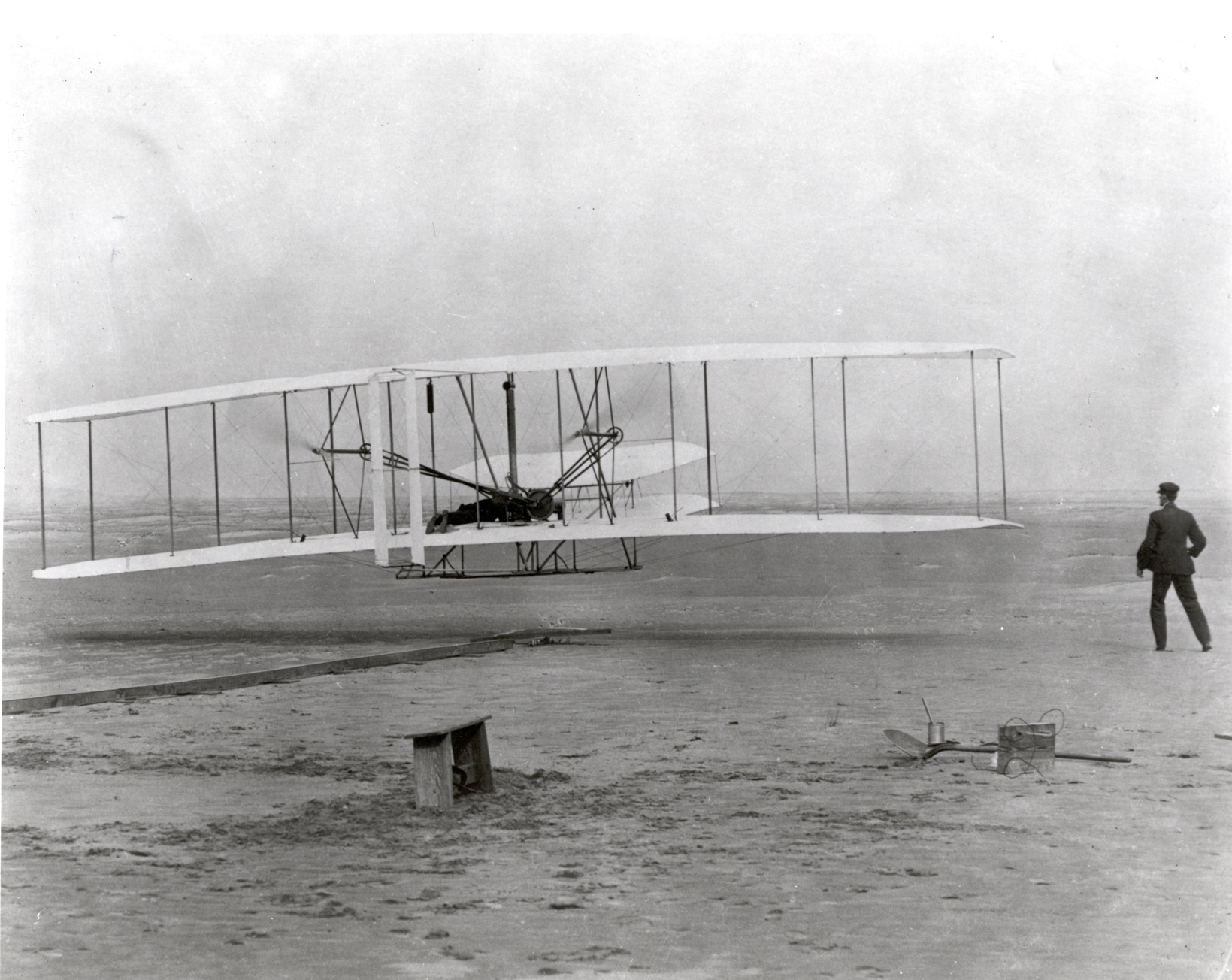
I needed a little inspiration in the challenges of being an entrepreneur and inventor. I just checked out the Wright Brothers because at the time they pioneered human flight there were hundreds of others trying to do just the same. I wanted to understand how long it took them. What kinds of things they did. How much detail they went into and what they focused on.
What I already knew is that many incredibly wealthy and well connected entrepreneurs were also trying but didn't get the results. I wanted to understand why. Was it a fluke or was it down to process. Were the Wright Brothers better inventors, or was their relative lack of resource beneficial to them in some way. It would be a nice story it if it were.
What I learned so far was that they did the basic thing good engineers do. Tested, prototyped, gather thorough data. They also didn't do everything themselves and it was their choices and way of thinking that led to success.
Many others were building stronger engines and propellers. The Wright Brothers focussed on controls. What I feel that means is that others focused on quantity e.g. power and lift while the Wright brothers focused on quality or controlling the power. This explains why their first official flying craft didn't actually do much. It only went a meter or so in the air and sustained that for a short distance.
They didn't care about height or speed at first. Just in level controlled flight. They conducted many glider tests before hand and developed their mechanical skills so they could develop what they needed. Along the way they built a business making bicycles because it helped them pursue their love of flying.
Essentially I feel it is their holistic approach to invention. Seeing that others could deliver the required power but they couldn't control it. The limitation was therefore control not power and that's what they perfected.
They also investigated how birds fly. Learning how they adjusted their wings to tilt their bodies and turn. Many engineers believed a plane should stay level and used the principles of a train on a track. In the end we have learnt that the best solution is a mix between a bird and a large fish like a dolphin. The wings may be inherently unstable but less susceptible to upset by gusty cross winds. Tilting the plane to aid vertical and horizontal movement uses the plane itself to aid the process. Providing a much greater force with relatively little effort. Leaving the control planes in the tail for finer control they don't have to focus on providing lift itself. Instead, they just control where the nose of the plane points.
This is very similar to a formula one car. just the reverse idea. In a Formula One car the wheels control power and direction. The rear wheels are only concerned with power. The front are only concerned with control. All wheel drive is best for rallies and dirt tracks not racing on tarmac where the separation of control and power is key.
So it is essentially a similar principle. The Wright brothers used gliding to teach them about control and leaving motor driven flight until later. They followed others attempts that used more power and different styles of craft but stuck to their original idea that the pilot must be in full control before power be added.. Everything must be designed around this concept.
They also believed that the basic wings and engines required already existed. They learnt to fly unpowered craft first. Others just put engines and untried controls together and tried them out without learning to fly unpowered first. They often crashed.
The brothers experience with bicycles also benefited them because they knew from experience that leaning to help steer and control a bike is the most natural thing. With open minds like this they could see how common this approach was in the natural world.
Overall this process reminds me of Darwin. He felt that much of the knowledge was already there. He did many tests himself and compiled many statistics but clearly built his ideas on the foundation of others work. He felt there needed to be a complete story but the essential ingredients were already in place.
Throughout the analysis of the Wright Brothers work it is clear how much they learned from others. Putting it together and seeing the whole was most important. They don't claim to have many original ideas except how they put the overall control surfaces together.
Essentially they built a powered glider. Thus building on decades of proven knowledge ensuring that if the engine failed the pilot could still land safely assuming he knew how to glide. It also ensured that any one who knew how to glide could learn how to control a powered glider. The simplicity is a big part of their success.
It was fascinating to learn so much. The workflow sounds so similar to other entrepreneurs that have had success. I'm thinking of Apple among many others. Good to know.
Friday, 25 October 2013
Immersive “Holodeck” Classroom with Leap Motion Control
I don't know about you but the Star Trek 'Holodeck' is such a fun dream that I get very excited when I see it start to become reality. That is what has happened at OHIO university where they have created an immersive "holodeck" classroom a leap motion controller. Using consumer grade tech like the leap motion controller brings this vision into our living rooms as well as classrooms. Essentially opening up the possibility that any room can become a holodeck or an immersive classroom.
What I like most is how the associated video presents the concept. It just makes sense. See what you think.
I'm slowly working towards an infrastructure and process that enables this. It is work and sharing like this that spurs me on because it shows that it is hear and now if you know where to look and who to talk to. Bringing this to education. That is my longer goal. It is nice to know I'm part of a much wider movement.
What I like most is how the associated video presents the concept. It just makes sense. See what you think.
I'm slowly working towards an infrastructure and process that enables this. It is work and sharing like this that spurs me on because it shows that it is hear and now if you know where to look and who to talk to. Bringing this to education. That is my longer goal. It is nice to know I'm part of a much wider movement.
Wednesday, 23 October 2013
Learning: Is it Online or Offline. Are we letting fear get in the way?

Just a short post inspired by reading notes from an upcoming e-assessment faculty meeting. A question came up about offline learning and ereaders in particular. How far can we go with them. A very informed answer was given by Niall Sclater taking reference from his existing article making ebooks more interactive: logistics and ethics. Niall is a key influence in many of the Open University e-learning initiatives and his insights are characteristically insightful.
The article highlights the fragmented e-reader ecosystem. Something we have seen with mobile devices like mobile phones and tablets. Particularly the issues of whether anything more than a static learning interface can reliably be supported across all devices in a sustainable manner. That certainly seems a challenge and highlights how far e-readers need to get. We finally have mobile phones and tablets that can do this reliably but we waited a long time for it. e-readers will probably be no different.
The other side of the coin is where I feel more work can be done. A big step would simply be to look at things in a positive instead of negative light. The idea that users will have concerns over being tracked and put pressure on them is certainly a fair argument. It can and will, but so does taking an exam and people still do it. In fact every time we evolve a new simple approach to doing things this same argument is presented and it blocks just about everything. Ultimately it is about the fear of change. I just talked about conquering fear in another blog and I feel similar challenges are relevant in this issue. The argument is valid but there is always a way to address it and keep people safe.
We need to be skilled at understanding our fears and know what is necessary to deal with and overcome them. People are scared of being tracked because personal data is out there being used incorrectly. It is a real concern. But most of life is a risk and you learn ways to minimise those risks to yourself. In this case the question for me is about how much data to track, how to put users in control of their data (Can they delete it and know it's deleted, or just not share it).
To simplify the issue even further the first thing I would do is allow the choice of whether data is shared or not. Explain briefly that data once it is shared becomes part of the learning experience and thus we haven't yet figured out how to remove it once it is shared but if a user trusts the OU and is willing to share then they can do so. Explain why it can benefit them, that they can stop at any time and what they can do if they want to stop sharing but make it clear that it is like doing most things publicly, you participate at your own risk. Just like sharing your views in public like at a school, work or the supermarket. Other people will hear those views and make their own opinion. They may also share your views with others in misleading ways that affect you negatively. We all accept that sharing information is part of living and it is our responsibility to learn how to do it. Even things we don't always think about like body language are increasingly becoming things we must pay attention to. I feel the same goes for all our new tools. Make it easier for people to understand what information is being shared and how it can be view by others. I feel we need to build this into the process of delivering any experience.
This approach will put many off and they will not share. Fair enough. The point is that they were able to make an informed decision. Others will. I do all the time. Mainly because I trust the person or institution I am dealing with and because I understand the issue quite deeply both as a developer, teacher and as an informed citizen.
My point here is about preventing fear from stifling incremental changes. Learning is going online sure but offline will always exist. Handling fear properly can allow the both to coexist well and shift the focus on the learning and teaching instead of being stifled by fear.
Education: New Rules

Lifelong learning is a topic close to my heart. I'm very frustrated that mainstream education is only provided for the young rather than for every age. That was appropriate in the last century. Not this. It supports a culture where if you don't take your opportunities when you're young then you miss out.
So I'm interested in the discussion I found in the New York Times Sunday Review titled New Rules. This article makes a strong argument for the growing need for lifelong learning that I haven't heard put so well before.
The basic idea is that technological advances are, year on year, making less skilled jobs obsolete. So we must compete for the higher skilled jobs. So those who have invested the most in education generally out compete those with the least.
The problem is that our educational systems aren't built to train people for such regular change. They ignore lifelong learning and instead focus on providing a good start. That's great but since skills go out of demand so quickly and that's only going to accelerate we need to focus on educational systems that help people adapt throughout their life.
To end I'd like to look at it another way. What I see is the evolution of our world right before our eyes. Those who are fittest thrive. Those who aren't fall by the wayside. The capitalist system, in my view, matches the principles behind our own evolution and so it follows that the survival follows the same principles too.
That means quoting the famous Darwin line "It's not the fittest, but the most able to adapt that survive". So I simply note that our current system tries to produce the fittest employees for the current or near future market. Given how quickly things change it's pot luck whether the skills you gained will support you as the needs of the workplace do.
More appropriate now is easy access to the tools to adapt your skills to be relevant for each challenge you face. Reducing the pressure on getting it right before you've even done a days work. Spreading the pressure out across your life. That means an infrastructure that helps you fix any shortcomings you need to fix and take new directions, instead of trying to be perfect on the first attempt with little or no opportunity to fix problems or change direction later on.
Do GCSEs favour women?

You know. I never really thought about it that much. I first came across this notion during my A levels studying education as part of sociology. Since, at the time, women and girls had had such a long time being the second class citizens of education and work it didn't really bother me. I did notice that in all the top classes guys were generally absent. That left me pretty lonely. I hadn't really thought that the structure of the GCSE with its emphasis on coursework might actually favour women over men.
Not until I read a daily mail article I found on an education discussion group. I'm only half way through the article but with the extra years I now have I can see exactly what it means. I like most of the men I know prefer short bursts or sprints of intense activity instead of long term patient effort. I never enjoyed school because it was so focused on painstaking work that girls preferred. Like any guy my age I just wanted to be active. That's why I pursued it all the way to a sports science degree.
So I was wondering why Michael Gove felt the need to replace GCSE's. Now I feel I understand. I don't expect the implementation of the new system to be amazing. It's likely to simply tip the balance the other way and promote boys over girls. It may also devalue the aspect of coursework that I really appreciated. It proved the value of having completed work in the bank.
Overall though I can see why a change may be needed to balance out the equation for boys. Thought will it take a generation for us to see if this really has the benefits we hope?
To be fair though I'd rather have much more regular testing amd much smaller forms of tests. If it's supposed to prepare you for work then it should reflect work and help you understand that in real work you're often learning on the go.
I deliver websites and software applications. Each week there'll be a set of bugs to address and every few months new features or sites to work on or create. Many times there'll be something I haven't covered before. Maybe an entire product I've never used and I have to build a piece of software out of it in a stupidly short amount of time. That's life. It's the same in all spheres of work and the ability to deliver is what gets you work. Each time I deliver it's the same as passing an exam or delivering coursework.
What is key is that it's an accumulation of knowledge and skills which of course is experience. The constant learning and applying or knowledge. At school what was missing for me was any one explaining the relevance of school and testing to work. That's because I don't think they know how to explain it or they might not like how it sounds if they do. My view is that work is like school because the school stuff you don't like is preparing for the work you don't like. Everyone, even those living their dreams have aspects they don't like. In fact those most successful are those who have learnt how to succeed and even appreciate the stuff they don't like. Rihanna, Tom Daley are a couple of examples.
I encourage regular testing only if it's accompanied with good support. I like sports because it's about putting yourself on the line. You can be great in practice but poor during a match. It's just like an interview or making a web site under really short deadlines with no resource. The pressure is the test and how you handle it is what you're practising. So failing at tests if they're regular isn't important. There will always be another. But learning the skills of passing tests is crucial to getting ahead. Looking back I've notice a consistent trend that the exams and pressure situations I did best in were those where I'd had lots of practice in those pressure situations before. Subjects that emphasised several mock tests prepared me better than those with none.
I'm not saying regular testing is easy and I don't like the stress it can create. I'm saying we should get better at helping teachers and students handle the pressure. Life is full of pressure much harder than exams. So it's better to learn how to deal with these lesser pressures so that we're better prepared to deal with work, marriage, parenting and all the other really difficult things we'll be doing later on.
A message for life

My philosophy is that 'The way you think defines what you achieve'. By that I mean that your philosophy determines the decisions you make to any given situation and thus the outcomes you can expect. It is through these decisions that you define the life and accomplishments that you end up with.
Of course there are other factors but I prefer to focus on my mind because it's the one thing any human has control over. Many of us don't control our physical characteristics or the world around us. Yet we can all control our inner world.
This is excellently expressed in an inspiring poem I came across while watching Bruce Lees Enter the Dragon. It's a poem that was pinned to the wall in Bruce Lees office in Golden Harvest studios.
A message for life
If you think you are beaten, you are.
If you think you dare not, then you don't.
If you like to win, but think you can't,
It is almost certain that you won't.
If you think you will lose, you are lost.
For out of this world we find,
Success begins with a fellows will,
It's all in the state of mind.
If you think you are outclassed, you are.
You've got to think high, and to rise.
You've got to be sure of yourself before
You can ever win a prize.
Life's battles don't always go to
The stronger or faster man,
But sooner or later the man,
I'm hoping wins is the man,
Who thinks he can...
Friday, 18 October 2013
Learning is innate. How the changing world can help education

The evolution of learning is a fascinating topic. Learning is my strength because I was brought up to think that learning is innate and every challenge is surmountable. In fact learning is never really changing, only the tools and processes we use to learn will change. The education industry has been struggling to figure out how these new tools can help people learn.
I've never thought it's that difficult because learning is about the human process, the tools are just facilitators. I've been waiting for years for my employer the Open University to realise this. Listening to a 2012 HEA conference keynote by Martin Bean my CEO/Vice Chancellor excites me because he seems to get it. So much of what he says in this keynote reflects what I think. That is why I really like what is happening under his watch at the OU. I simply feel that all the new things we can do these days are simply what we have been waiting for.
The most sophisticated technology in the learning process is always the learner not the tool used to teach them. Learning is really just a case of getting information into a persons head and body and then helping them figure out how to use this information to get something done. You have learnt something when you overcome a challenge that you previously couldn't. That is how I see it.
Humans have an incredible capacity to consume information and get it into their brains. We have senses including eyes, ears and touch which we can use all at once. The quantity and quality of data these senses can consume is terrific. Newer tools are just making it easier to make full use of these senses. Humans are also able to combine their senses to achieve secondary or tertiary senses like proprioception and kinaesthetic awareness. It is now getting possible to speak to these senses through devices like the kinect.
The point here is that people will pay for the ability to overcome a challenge that matters to them. If you can make this happen faster and more easily then people will pay more. So, learning isn't really changing because humans aren't changing. They're just doing what they always did but with better tools and more support. So standards have risen, content is now cheap and the market is exponentially larger. Surely that is a huge opportunity.
What is needed is simply going back to the essence of learning and re interpreting existing content, tools and assessment methods in light of what is possible today. Surely we can make the learning process the innate, natural and easy process humans are designed for?
Many thanks to Jonathan Vernon (@mymindbursts) who inspired this post by sharing Are we at the Napster moment in HIgher Education. A thought provoking article.
Tuesday, 9 September 2008
Why we don’t understand as much as we think we do
I tried the ted miro player today and this is the first talk I watched. As usual I was inspired. The concept here is about teaching people properly by getting the message right. As fascinating a talk as it is obvious. the speaker is Johnathan Drori. Watch it then see how it changes your perception.
If the video won't play watch it at ted http://www.ted.com/talks/view/id/333
Subscribe to:
Posts (Atom)